Are you planning a trip to the Basque Country this spring? Have you already studied its world-famous food, like the iconic T-bone steak?
The Basque Country is a culinary paradise, but its best secrets are fleeting. If you only order the classic dishes available year-round, you’ll miss the true seasonal delicacies. Without knowing the local calendar, you might leave without ever tasting the region’s best.
I’ve lived in the Basque Country for a long time and am truly passionate about its cuisine and wine. In this guide, I’ll show you the dishes you can’t miss and how to enjoy them to the fullest. Let’s dive into the flavors of the Basque spring!
Perretxiko: The Elusive Treasure of the Basque Spring
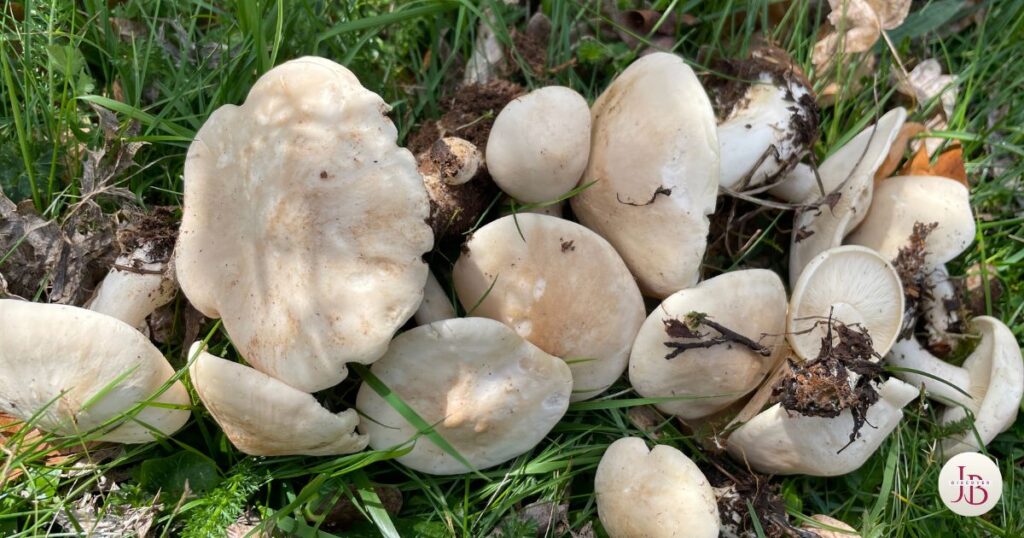
The Perretxiko—known in English as the St. George’s mushroom—is one of the most iconic flavors of the spring in Basque cuisine. These aromatic mushrooms appear quietly in mountain pastures and forests, often in the exact same spots year after year. Because of this, families pass down their secret locations for generations, guarding them like a closely-held inheritance.
In the Basque Country, spring sparks a friendly but serious competition to find these mushrooms, as they only appear for a few fleeting weeks in April. For many locals, discovering a hidden patch of perretxikos brings more joy than winning the lottery.
Perretxikos are celebrated for their deep, earthy aroma and lingering flavor. They are traditionally prepared as a simple revuelto (scrambled eggs), allowing their unique profile to shine. paired with tender artichokes, or added to slow-cooked meat stews. Their deep aroma and earthy, lingering flavour make them one of the most unforgettable tastes of the Basque spring.
Alcachofas (Artichokes): The Soul of the Basque Spring
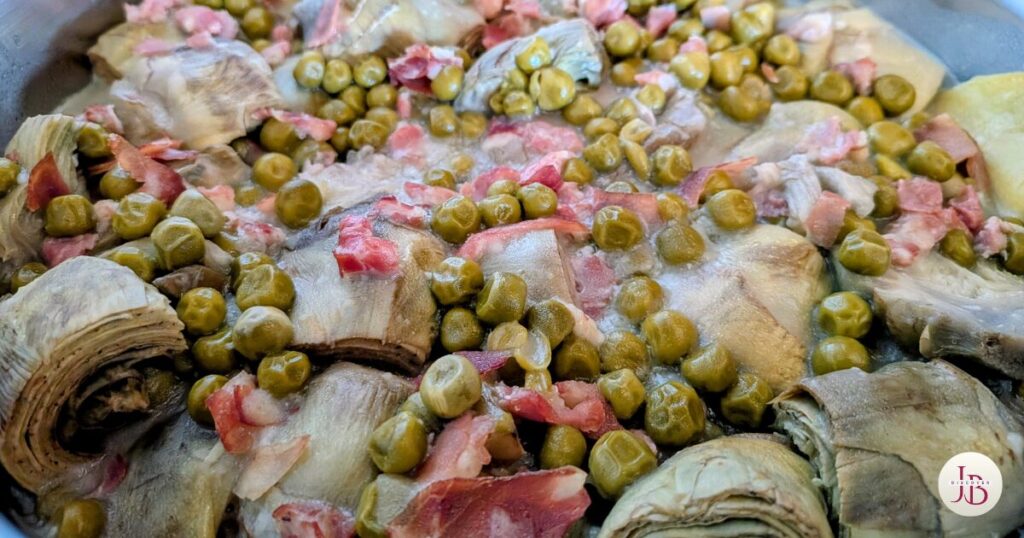
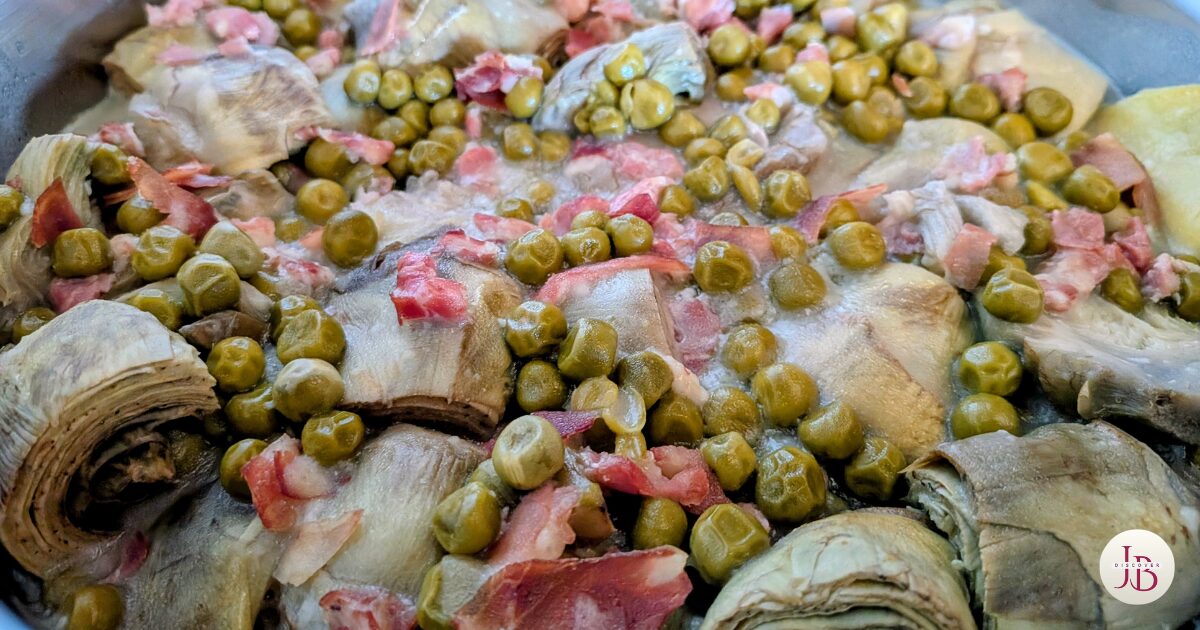
Savoring a local Alcachofas (artichokes) dish is one of the most authentic ways to experience the heart of Basque cuisine. The varieties grown here—particularly those from nearby Navarre—are prized for being small and incredibly tender, renowned for their delicate and subtly earthy flavor.
One of the most beloved preparations is alcachofas salteadas: artichokes sautéed with finely chopped jamón. It is a simple, rustic dish, yet for many locals, it represents the very essence of the season.
Guisante lágrima – the “green caviar” of the Basque garden
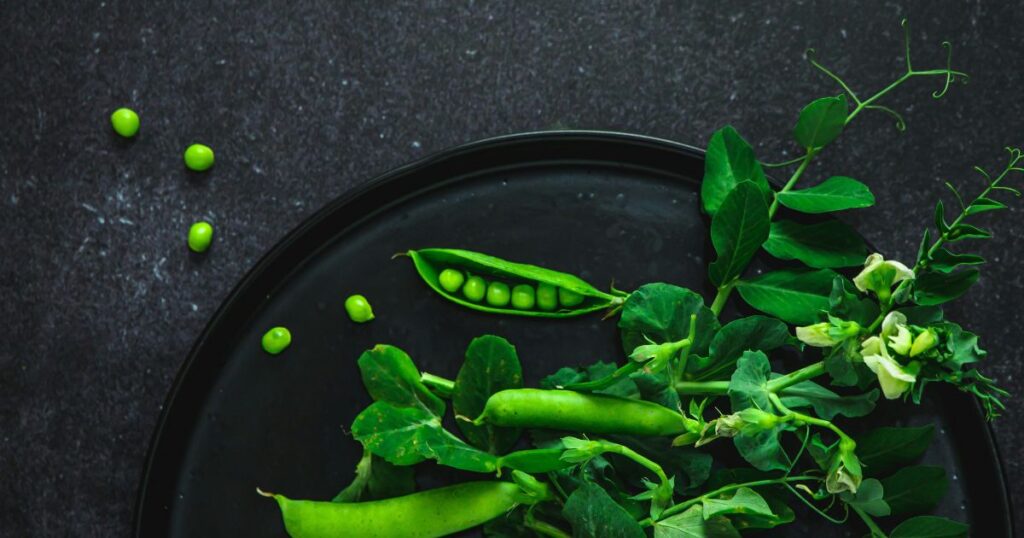
Guisante lágrima is one of the Basque Country’s most treasured spring delicacies. Cultivated primarily along the Basque coastline, these tiny, hand-harvested peas are often called “vegetable caviar” or “green caviar”—a nickname that reflects both their rarity and their status, as one of the most expensive vegetables in the world.
Harvested at the earliest possible stage, each pea bursts with an incredible sweetness and a juicy, popping texture. Because they are so delicate, chefs treat them with extreme reverance: they are often served raw, barely blanched, or gently warmed to ensure their natural flavour remains the star of the show.
You’ll typically find them presented with minimalist elegance—either on their own, or paired with a silky poached egg, salty cured ham, or fresh local seafood. In the world of Basque springtime cuisine, they are the star of the season.
Cordero Lechal (Suckling Lamb): The Traditional Spring Roast
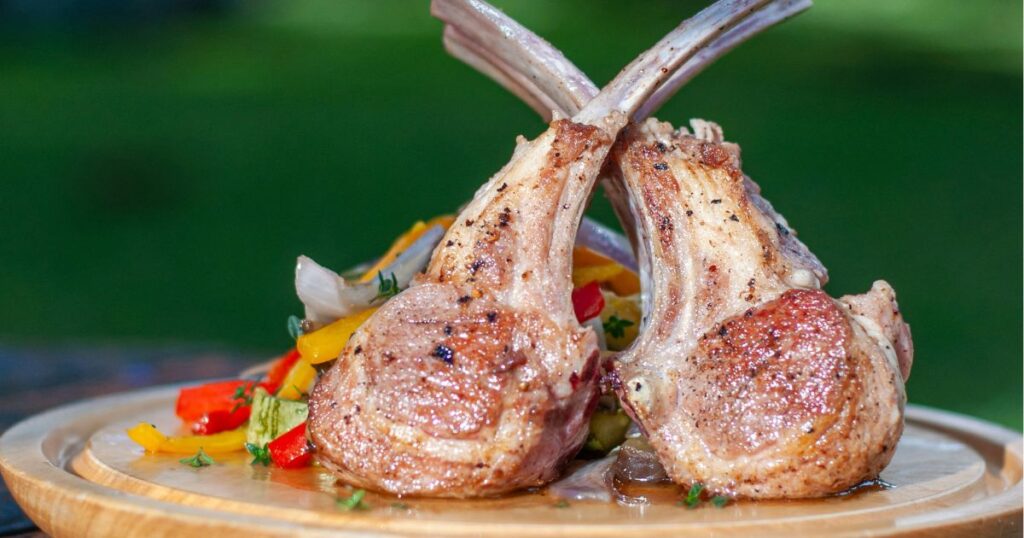
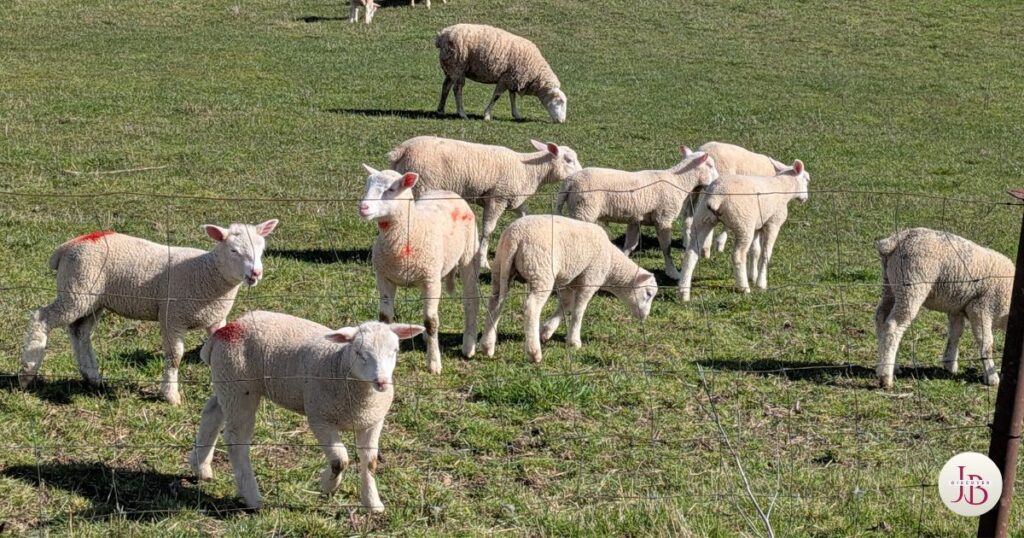
While the gardens provide spring treasures, the mountains offer the true centerpiece of a Basque feast: Cordero Lechal (Suckling Lamb). This delicacy is incredibly tender and juicy, as the lambs are fed exclusively on their mother’s milk and slaughtered at just three to five weeks of age.
The lambing season is closely tied to the cycle of traditional cheese-making. Because of this, enjoying suckling lamb is a special ritual even for the locals. Traditionally, it is roasted in a wood-fired oven at a low temperature and seasoned only with salt. This minimalist approach allows the natural sweetness of the meat to shine, creating a dish that is the very definition of “farm-to-table.”
Torrija: The Quintessential Spring Sweet
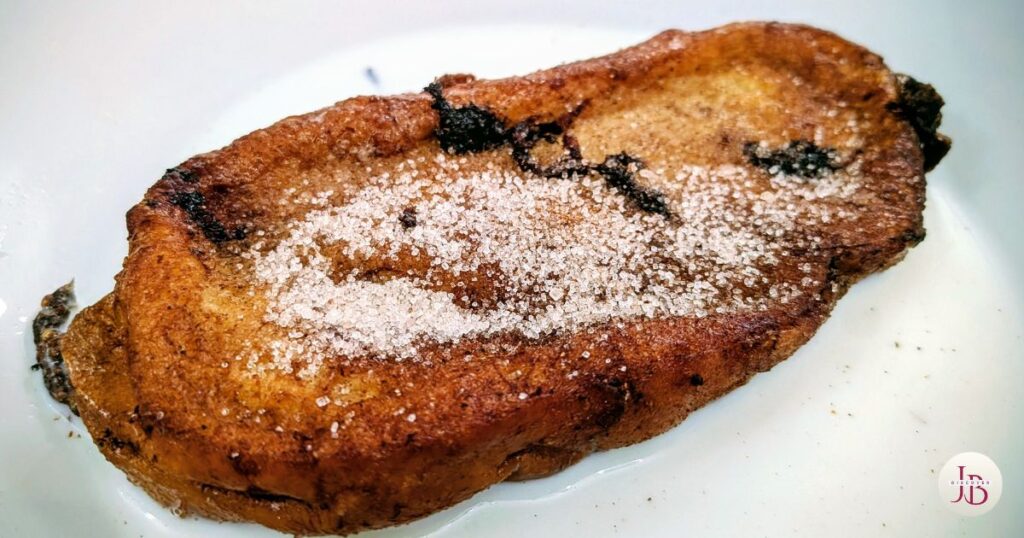
The torrija is the Spanish cousin of French toast, but with a distinctly Iberian soul: warm notes of cinnamon, subtle hints of citrus, and a texture that melts on the tongue. It is the quintessential Easter dessert in the Basque Country and throughout Spain, though its popularity now stretches far beyond Holy Week—you can find it in bakeries throughout the year.
Traditionally, torrijas were a clever way to use up stale bread. A thick slice is soaked in milk infused with lemon peel and cinnamon or wine, dipped in egg, fried gently in olive oil, and finished with a dusting of sugar and cinnamon. The result is rich, comforting, and deeply nostalgic.
Today, one of the most popular ways to enjoy it is served warm with a scoop of vanilla ice cream. The contrast of the hot, caramelized bread against the cold, creamy ice cream makes it an irresistible spring indulgence.
Spring on the Basque Table
Spring in the Basque Country is brief, but its flavours linger long after the season ends. Whether you’re planning a visit or simply curious about Basque cuisine, I hope these dishes inspire you to taste the region in its most vibrant moment. I’ll keep sharing what I learn from living and eating here — thanks for reading.