Visiting Bodegas Irache is much more than a typical winery tour; it is a journey through history. This landmark is home to the iconic Wine Fountain, a dedicated Wine Museum housed in a beautiful historic building, and a deep, centuries-old connection with the neighboring Monastery of Irache— all wrapped into one place.
*If you’re looking for our full family itinerary for the area, check out my previous post.
In this post, I’ll take you on a virtual tour through the heart of the winery, from the museum’s treasures to the stunning aging cellars and the final tasting experience.
Let’s dive in!
About Bodegas Irache: History and Pilgrimage
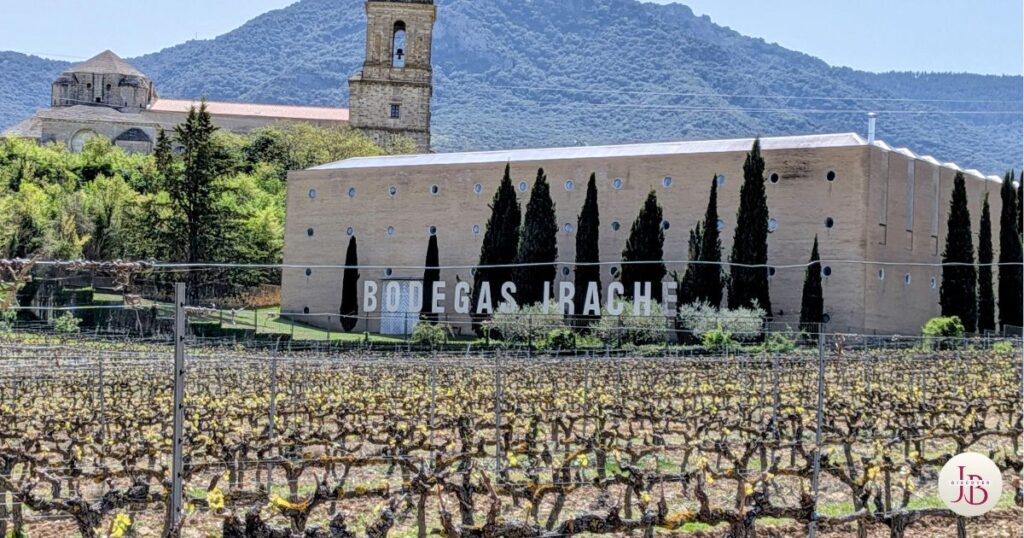
The story of Bodegas Irache dates back to the 10th century, when Benedictine monks from the neighboring Monastery of Irache first began cultivating vineyards and producing wine. This tradition was further solidified when King Sancho IV of Navarre donated the monastery’s first official vineyards, cementing the region’s reputation for winemaking.
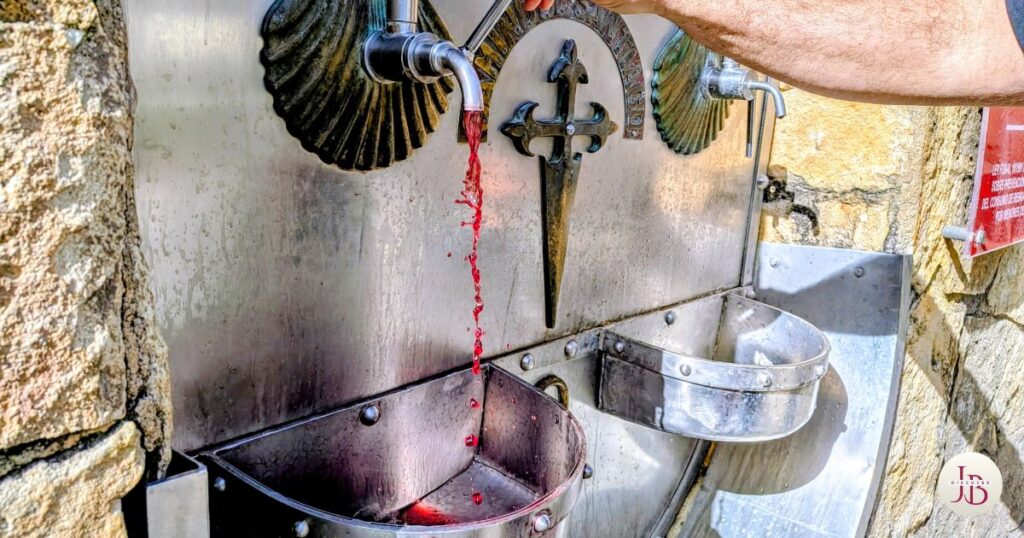
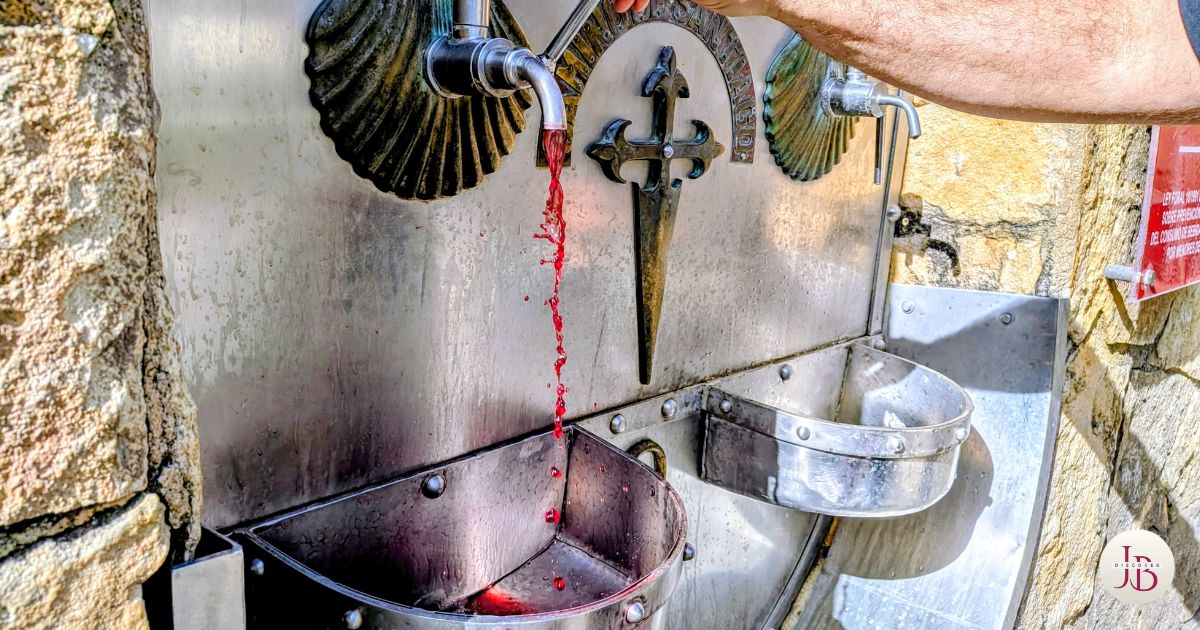
Irache’s legacy is also inseparable from the history of the Camino de Santiago. For centuries, the monastery served as a vital hospital for pilgrims, where wine was often used as a medicinal remedy to help travelers regain their strength. The famous Wine Fountain, installed in 1991, was created to commemorate this ancient spirit of hospitality and to offer a symbolic, modern welcome to those on the road to Santiago.
In 2018, a new chapter began when Bodegas Irache became part of the Familia Cirsus group. Under this new leadership, the winery has focused on elevating its quality, restructuring the vineyards, and modernizing the facilities—all while carefully preserving its deep, historic roots.
What the Bodegas Irache Tour Includes
The guided tour at Bodegas Irache is thoughtfully designed for all ages and interests. Whether you are a dedicated wine lover, a curious pilgrim, or a family traveling with children, the visit is both accessible and engaging.
The tour highlights include:
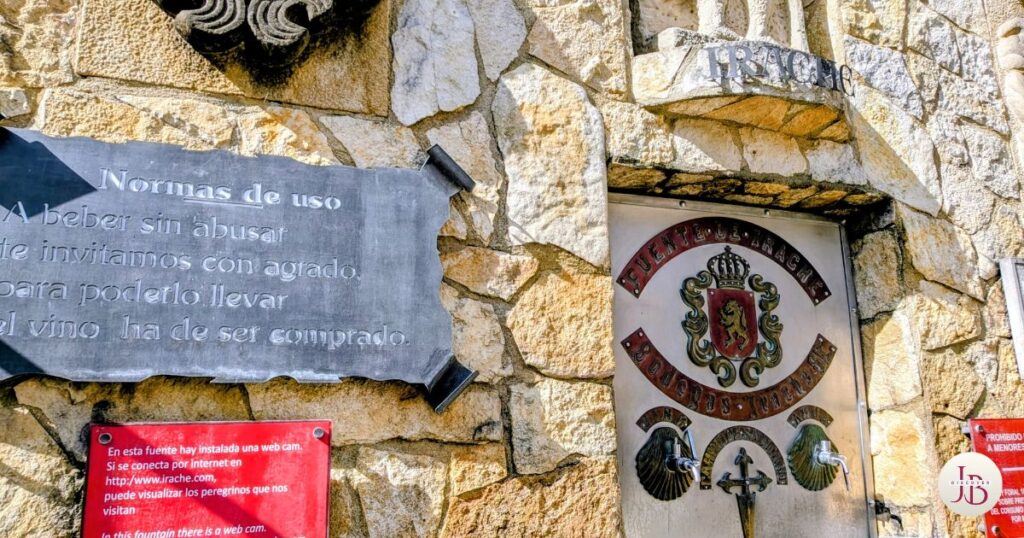
- The Wine Fountain: A guided stop at this iconic landmark, where you learn about its history and symbolic meaning for pilgrims.
- Production Facilities: A behind-the-scenes look at the modern winemaking process.
- The Wine Museum: Housed in a beautiful standalone building, this museum features an extensive collection of vintage tools and historical artifacts that tell the story of Navarra’s viticulture.
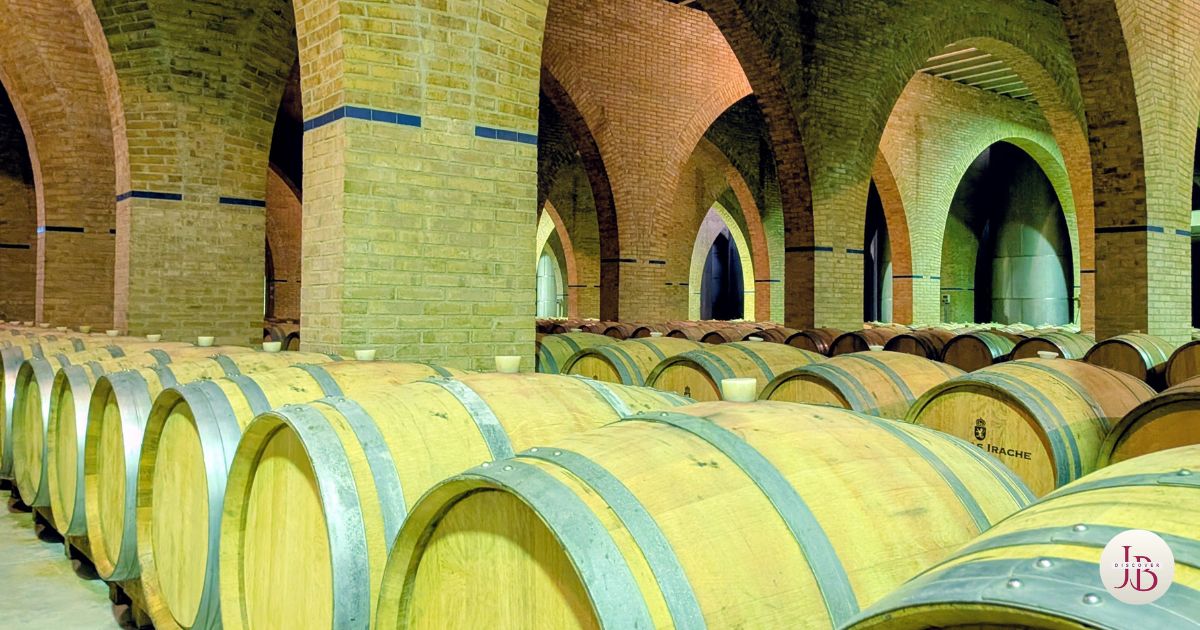
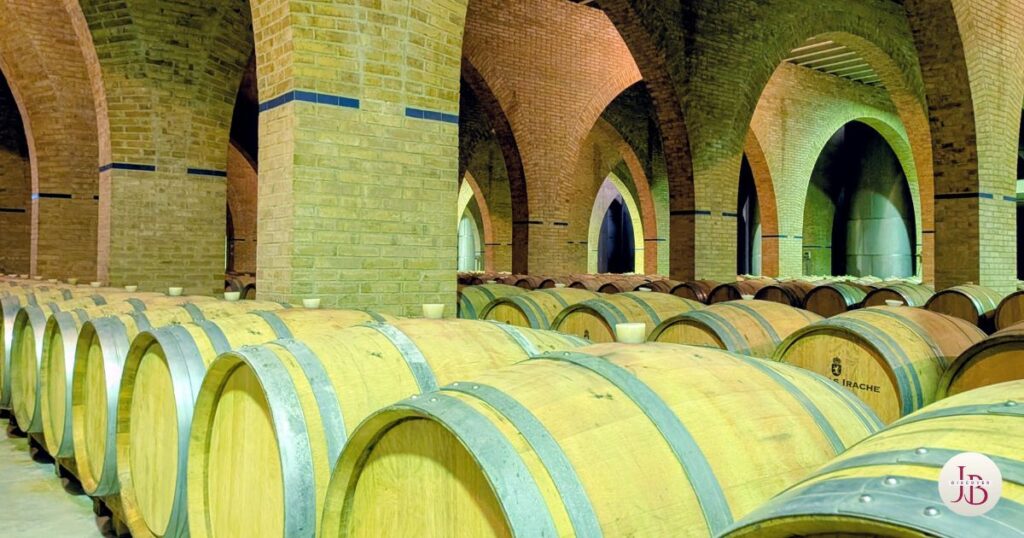
- The “Wine Cathedral”: A stunning aging cellar with grand, sweeping arches inspired by the architecture of the nearby monastery.
The visit to the production is brief, with only a quick look at the production area, but the guide answers any quiestions you might have.
Tour Information & Booking
- Duration: Approximately 1 hour and 15 minutes.
- Schedule: Wednesday through Saturday.
- Price: €16 per adult, which includes the guided tour, three wine tastings, and a selection of snacks.
Family Pricing (Our Experience)

One of the reasons we loved this tour was how inclusive it was for our kids:
- 7-year-old: €5 (includes a soft drink and snacks so they feel part of the “tasting” experience).
- 4-year-old: Free of charge.
Booking: Reservations are essential. You can book via their website or by emailing reservas@irache.com.
If you’re planning an itinerary in this area, the winery tour is absolutely worth adding to your route.
A Family Experience at Bodegas Irache
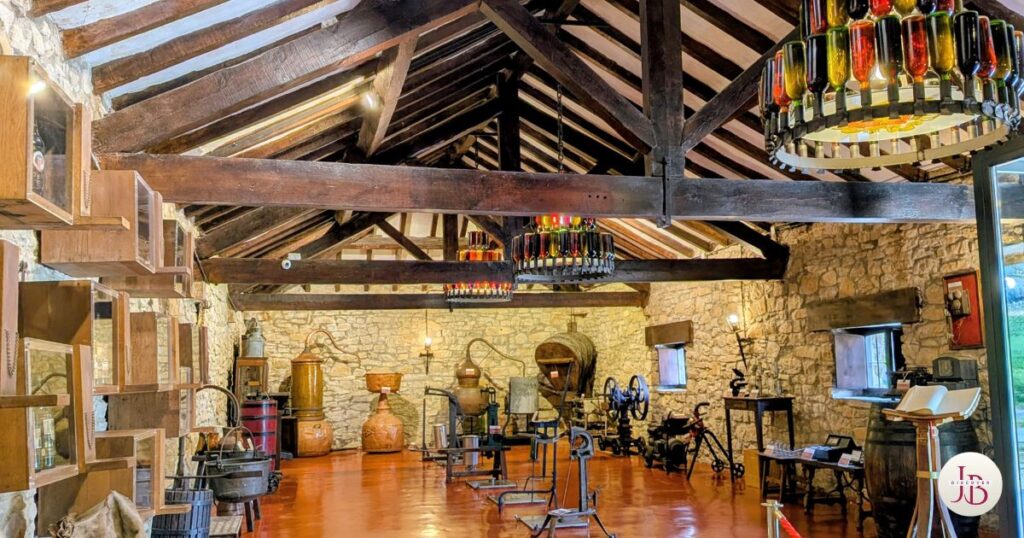
We were incredibly lucky to enjoy our tour in a much more intimate atmosphere than usual—as it turned out, we were the only visitors at that time. Our guide was exceptionally warm and knowledgeable, allowing us to truly soak in every explanation and explore every corner of the winery at our own pace.
Our children, who normally get bored with long explanations about winemaking or history, actually had a great time at Irache. They loved turning on the tap at the Wine Fountain and exploring a room beautifully furnished with antique pieces. Those small, hands‑on moments made the visit surprisingly engaging for them.
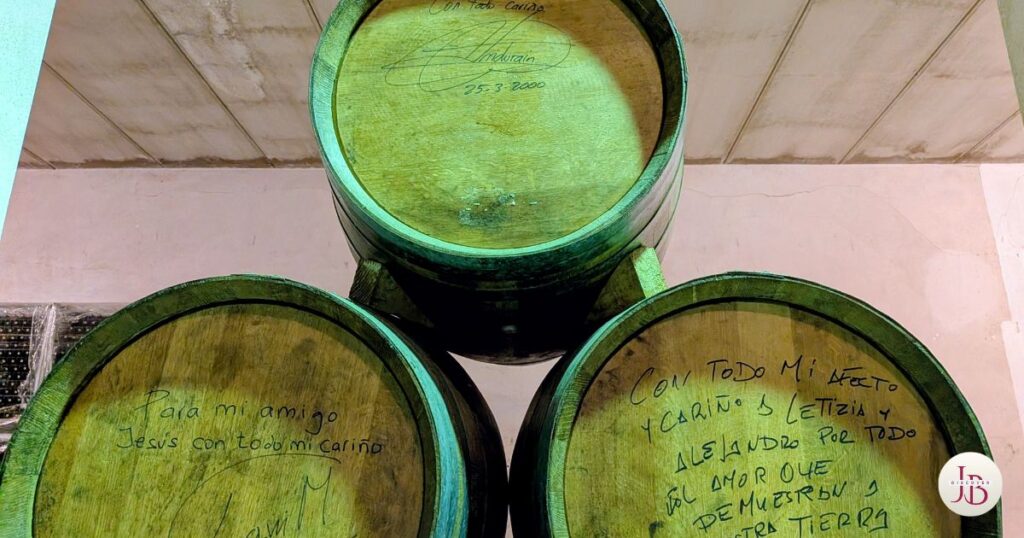
What struck me the most, personally, was realizing how people from all over the world travel to this small corner of Navarre. In the aging cellar, we found signatures on the barrels from visitors of many nationalities — including some Japanese names. It’s fascinating to see how paths cross in such unexpected places, and how a winery like Irache becomes a meeting point of stories from around the globe.
Tasting the 1891 Series: A Review of Bodegas Irache Wines
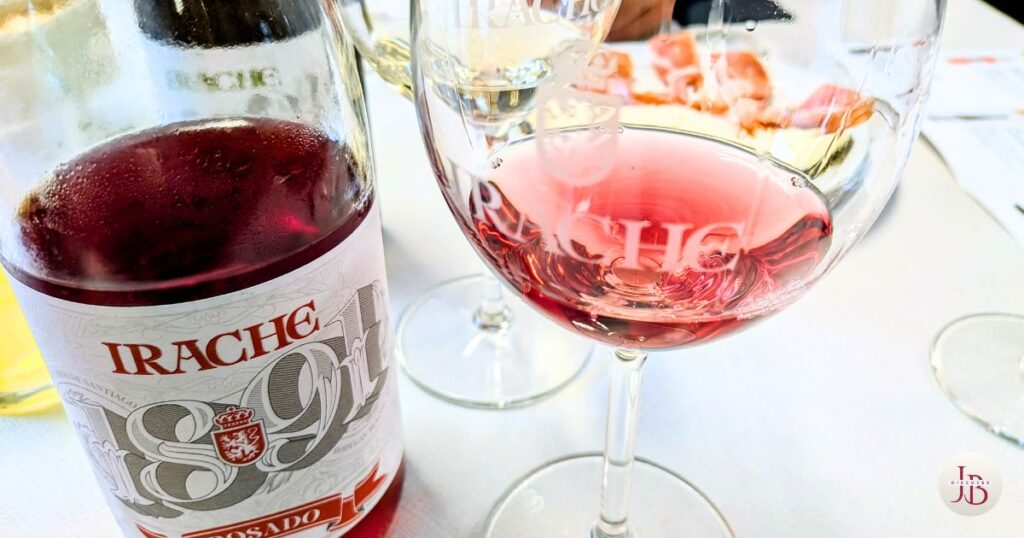
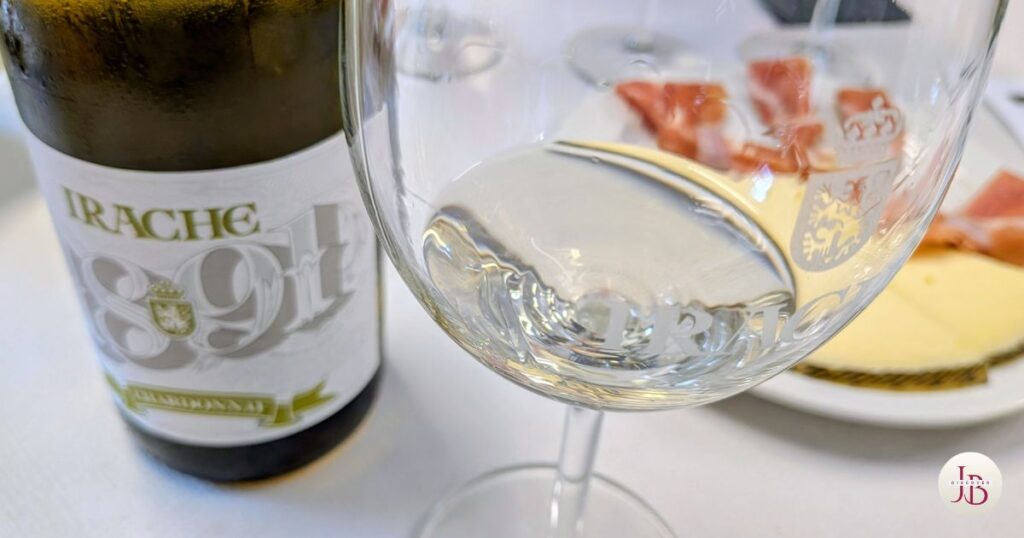
The tasting at Bodegas Irache features three selections from their 1891 series, accompanied by a plate of cheese, jamón, and breadsticks. It is a classic pairing designed to showcase the versatility of their wines.
The 1891 series takes its name from the winery’s founding year and is designed specifically for the hospitality industry (restaurants and hotels). These are wines meant to be enjoyed with food, and they are not available in regular shops, which makes the tasting feel a bit more special.
The Wines We Tasted:
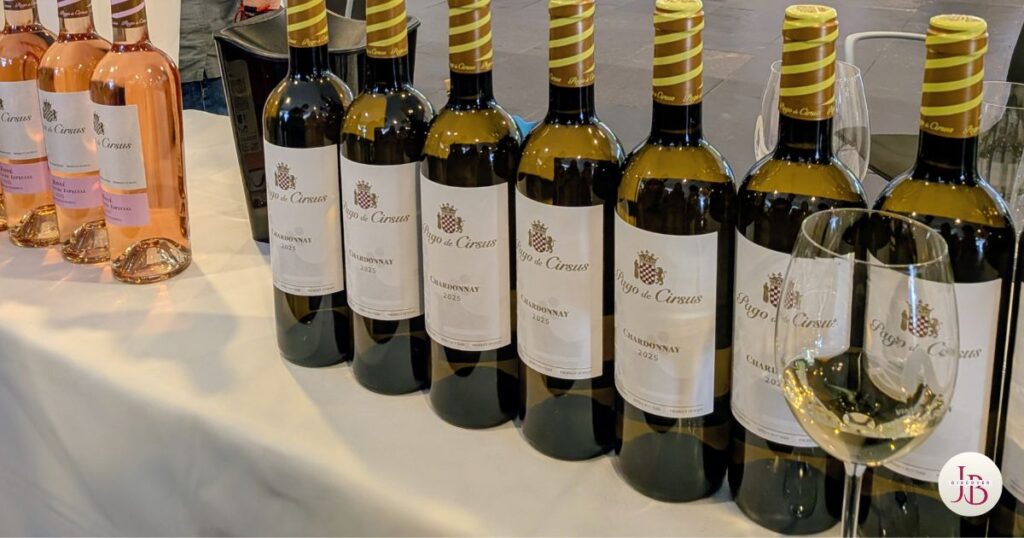
- 1891 Chardonnay: A fresh, vibrant, and very approachable white. While the standard version is lovely, Irache also produces an “on the lees” version—aged with its yeast to add texture and more complexity.
- 1891 Rosé: A quintessential Navarra rosé: vibrant raspberry‑pink in color, fresh, fruity, and dry. It’s a perfect example of the style this region is famous for.
- 1891 Roble: An elegant Tempranillo that spends six months in French oak. We were pleasantly surprised to learn that this bottle was once selected as the best “Roble” in Navarra—high praise for a wine designed for everyday enjoyment!
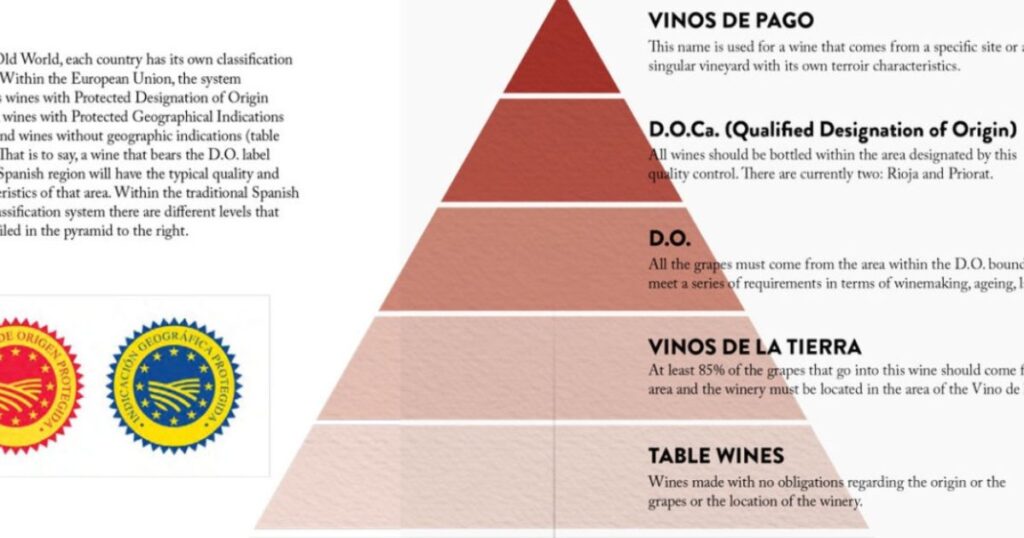
While the 1891 series is easy to enjoy, Bodegas Irache holds a much more prestigious title: Vino de Pago D.O. Prado de Irache.
Vino de Pago is the highest possible classification in Spanish viticulture. It is awarded only to estates with a truly unique terroir and exceptionally strict quality standards. With only about 25 Vino de Pago estates in all of Spain, this is a true “hidden gem” for serious wine enthusiasts.
Additional Tastings at the Wine Museum
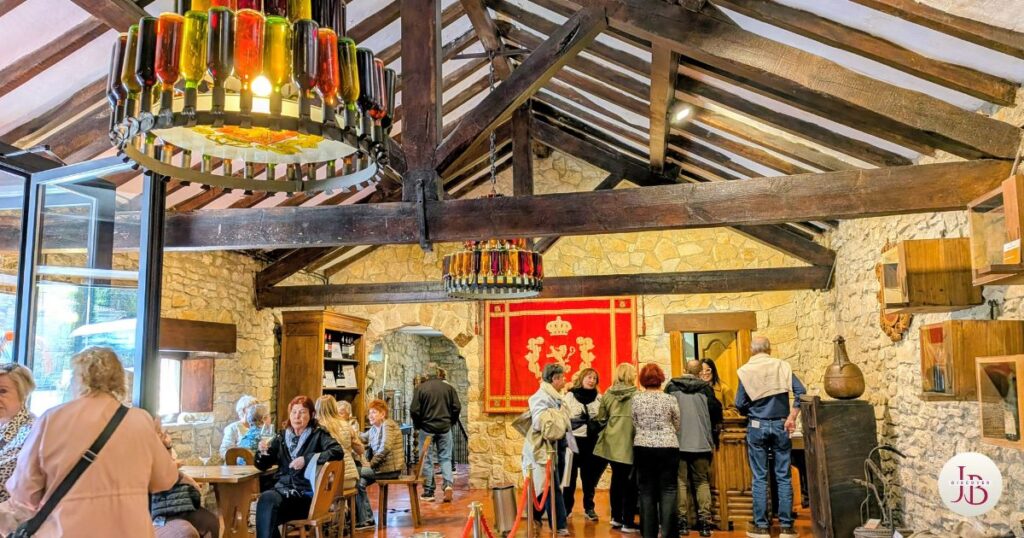
If you want to explore beyond the guided tour selection, head over to the Wine Museum shop. They have a small, bar-style tasting area where you can sample a wider range of their portfolio. Some of their premium bottles—including the Vino de Pago—can even be opened for a tasting if you decide to purchase a bottle.
We couldn’t resist taking a few favorites home: the Chardonnay on the lees, the Roble, and, of course, a bottle of the Vino de Pago for a future special occasion.
Visiting Bodegas Irache turned out to be much more than a simple winery tour. Between the history, the Wine Fountain, the museum, and the tasting, the whole experience feels rooted in the land and the people who have shaped it. If you’re exploring this part of Navarre, Irache is a stop that adds both flavour and meaning to the journey.
If you want to read about our full day trip around Irache, including the monastery, the Wine Fountain, and Estella, you can check the related post here.